Back Pain Treatment Geelong
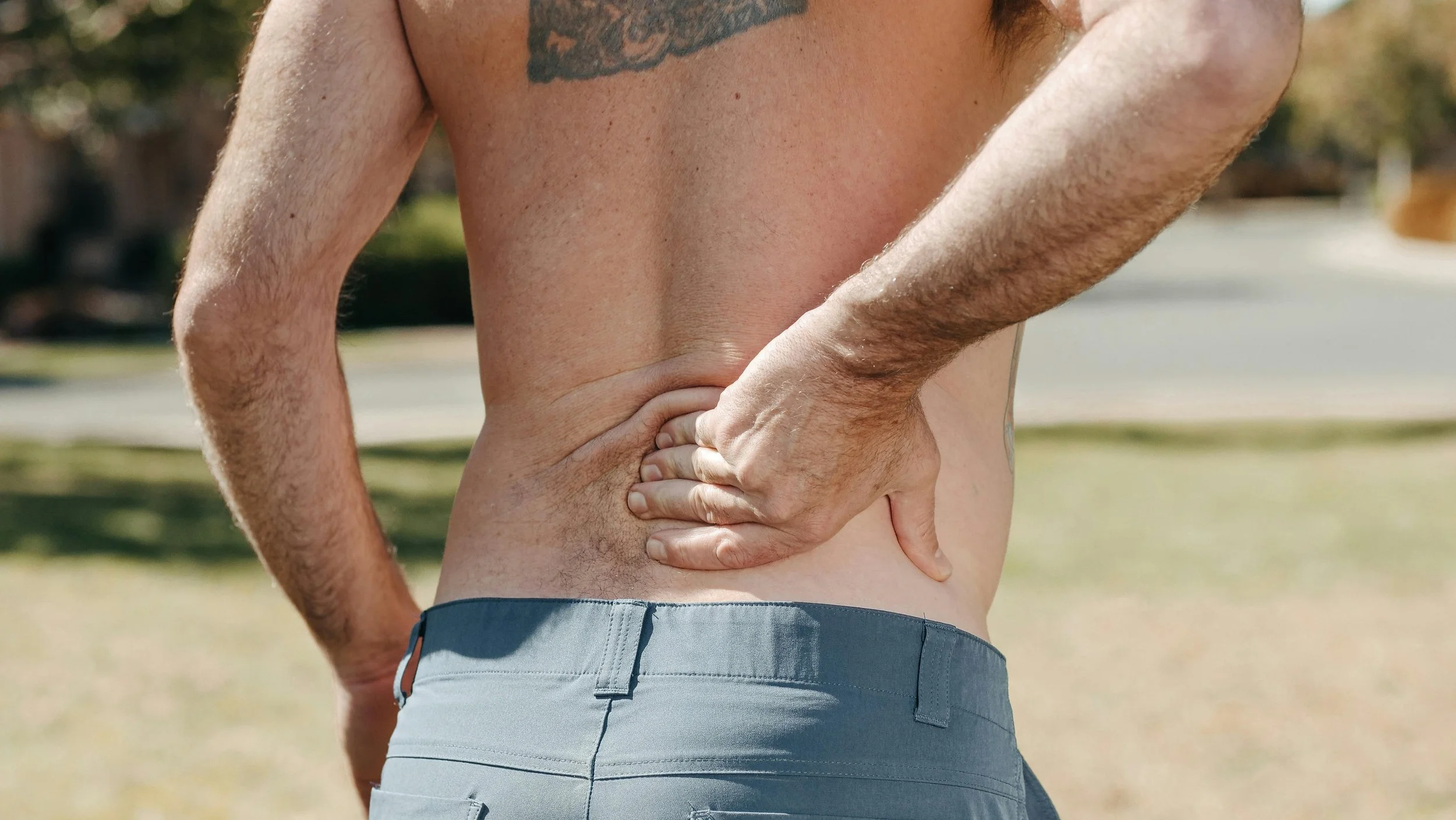
Back pain getting in the way of work, exercise or everyday life?
Back pain is common, but that doesn't mean you simply have to put up with it.
At The Manx Myo, I provide personalised assessment and treatment for people experiencing lower back pain, stiffness and recurring symptoms.
Rather than simply treating the area that feels sore, we'll look at what's been happening, how your symptoms are affecting you and what you want to get back to doing.
From there, we'll develop a treatment and rehabilitation plan tailored to you.
What does back pain feel like?
Back pain can present differently from person to person.
You might experience:
A dull ache across the lower back
Pain or stiffness after sitting
Pain with bending or lifting
Symptoms during or after running or exercise
Pain that travels into the buttock or leg
A sudden flare-up after a particular movement
Recurring episodes that seem to settle and return
Stiffness or discomfort first thing in the morning
Difficulty returning to normal activity or exercise
Back pain can have many contributing factors, and it's not always possible — or necessary — to identify one single structure responsible for your symptoms.
That's why your treatment starts with an individual assessment.
What causes lower back pain?
There's rarely one simple answer.
Back pain can be influenced by a combination of factors including recent changes in activity, training or workload, previous episodes of pain, strength and physical capacity, sleep, recovery and general health.
Sometimes symptoms begin following a particular movement or activity. Other times, there isn't an obvious reason why the pain started.
Scans can also show changes such as disc bulges, degeneration and arthritis — but these findings don't always explain why someone is experiencing pain.
Rather than searching for one "root cause", I focus on understanding your individual presentation and identifying factors we may be able to work on.
How can Myotherapy help with back pain?
Myotherapy can form part of the management of musculoskeletal back pain.
Your appointment may include a combination of assessment, hands-on treatment, education, movement and targeted exercise.
The aim isn't to provide a temporary "quick fix".
Instead, we'll work on managing your symptoms while also helping you gradually return to the activities that matter to you.
Depending on your individual presentation, treatment may include:
Hands-on treatment
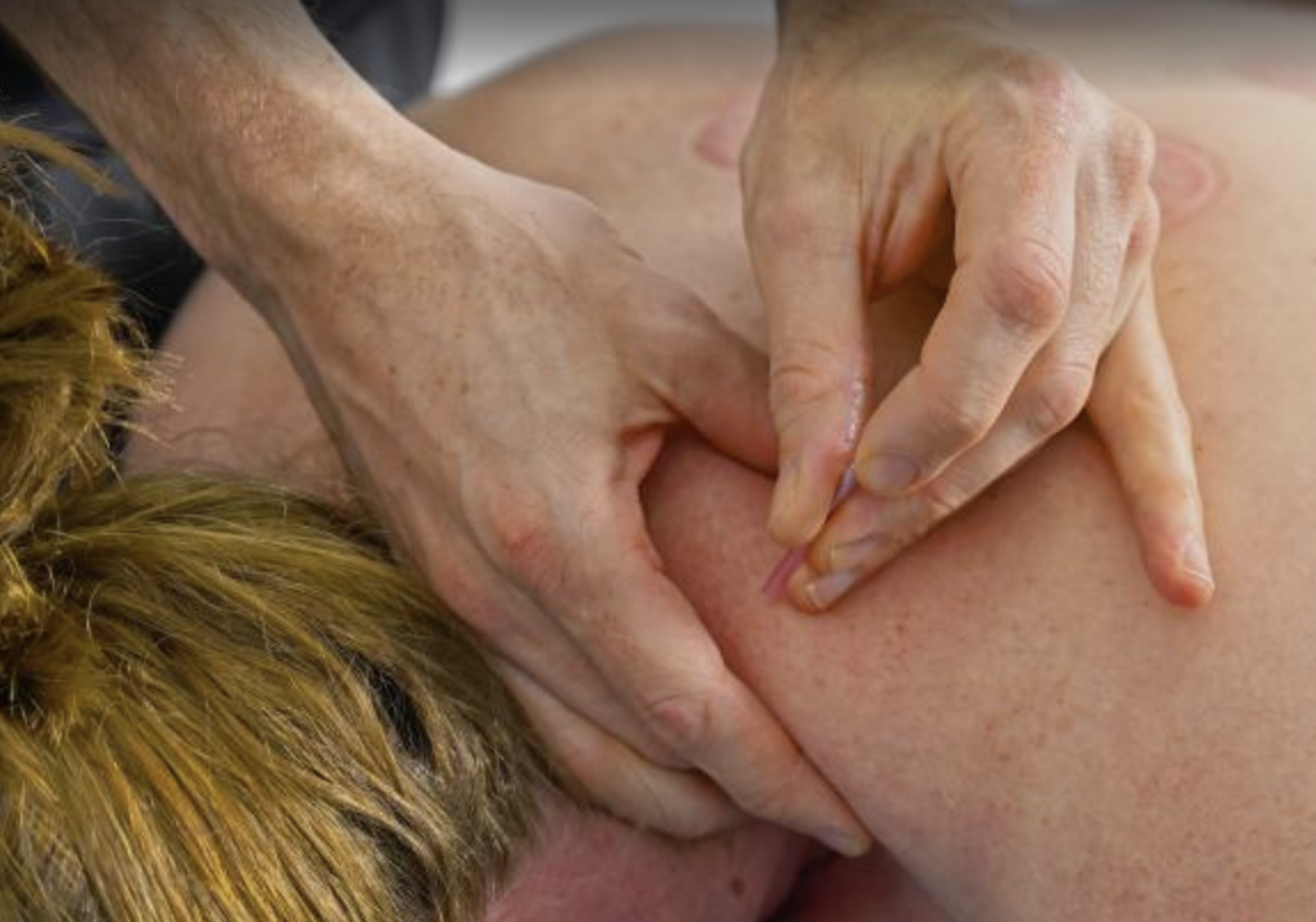
Massage and other soft tissue techniques may be used to help manage pain, muscular sensitivity and stiffness.
Dry needling
Dry needling may be incorporated where appropriate as one component of your treatment.
Not everyone needs dry needling, and we'll discuss whether it's suitable for you before using it.
Joint mobilisation
Manual joint mobilisation techniques may be incorporated where appropriate to help with movement and stiffness.
Movement & exercise
Movement is often an important part of managing back pain.
Where appropriate, I'll provide a small number of targeted exercises based on your assessment, current capacity and goals.
Education & advice
Understanding your back pain can be an important part of recovery.
We'll discuss things such as activity, training, work and what you can safely continue doing while your symptoms settle.
Do I need to stop exercising if my back hurts?
Not necessarily.
For many presentations, completely avoiding movement isn't required and gradually remaining active can be helpful.
Exactly what you should continue doing will depend on your symptoms and individual situation.
For example, a runner experiencing back pain may need a temporary adjustment to training rather than stopping altogether.
Someone whose back is aggravated by work may benefit from modifying certain tasks while gradually rebuilding their tolerance.
The goal is generally to find what you can do, rather than focusing entirely on what you can't.
What about a disc bulge or degeneration on my scan?
Seeing words such as disc bulge, degeneration, arthritis or facet joint changes on an MRI or CT report can understandably be concerning.
However, changes on spinal imaging are common and can also be present in people who don't have back pain.
A scan is therefore only one part of the picture.
Your symptoms, medical history, physical assessment and function all provide important information when deciding how to manage your back pain.
If you've already had imaging, you're welcome to bring your report to your appointment and we can discuss it in the context of your presentation.
What about sciatica?
Back pain accompanied by symptoms travelling into the buttock or leg is sometimes described as sciatica.
True sciatica generally involves irritation or compression of a nerve root and may include symptoms such as pain, tingling, numbness or altered sensation into the leg.
However, not every pain that travels into the buttock or leg is necessarily sciatica.
Assessment can help determine whether your symptoms appear consistent with nerve involvement and whether Myotherapy is appropriate.
When should back pain be assessed medically?
Most episodes of back pain aren't caused by a serious medical problem.
However, some symptoms warrant further medical assessment.
Seek prompt medical advice if your back pain is associated with symptoms such as:
New changes to bladder or bowel control
Numbness around the groin or saddle region
Significant or progressive weakness in the legs
Significant trauma
Fever or feeling systemically unwell
Unexplained weight loss
Severe symptoms that are rapidly worsening
If I'm concerned about something during your assessment or don't believe Myotherapy is appropriate, I'll recommend further medical assessment.
Read more about when back pain needs medical assessment
What happens at your first appointment?
Your appointment starts with a conversation about what's been happening.
We'll discuss:
Where you're experiencing symptoms
How and when they started
What makes them better or worse
Previous episodes or injuries
Your work and activity levels
Your exercise or training
What you'd like to get back to doing
Where appropriate, I'll then assess movement, strength and function.
We'll discuss what we've found before moving into treatment.
Depending on your presentation, your session may include hands-on treatment, dry needling, joint mobilisation and exercise.
Before you leave, you'll have a clearer understanding of what we're working on and what you can do between appointments.
Back pain in runners and active people
As a former competitive cyclist and current runner, I particularly enjoy working with active people who are trying to continue training or return to sport.
Back pain doesn't automatically mean you need to stop exercising.
We can look at your recent training, activity levels and symptoms and determine what may need to be temporarily modified while gradually rebuilding your capacity.
Whether your goal is getting back to Parkrun, cycling, the gym or simply exercising comfortably again, your rehabilitation should reflect what you're actually trying to achieve.
Why choose The Manx Myo?
Hi, I'm Tom Black, owner and Myotherapist at The Manx Myo.
I've worked in manual therapy for more than 13 years and combine thorough assessment, hands-on treatment and targeted exercise to help people manage pain and return to the activities they enjoy.
Before becoming a therapist, I competed internationally as a cyclist and represented the Isle of Man at the 2010 Commonwealth Games in Delhi.
That background continues to influence the way I approach treatment today — particularly the importance of building strength, capacity and confidence rather than relying solely on passive treatment.
Your treatment is individual to you.
Frequently Asked Questions
Can massage help lower back pain?
Hands-on treatment can be useful for managing symptoms for some people and may form part of your Myotherapy appointment.
However, I don't believe massage should automatically be the entire treatment plan.
Depending on your presentation, treatment may also involve movement, exercise, education and gradually rebuilding your tolerance to activity.
Does dry needling help back pain?
Dry needling may be useful for some people experiencing muscular pain or sensitivity and can be incorporated into a broader Myotherapy treatment where appropriate.
It isn't necessary for everyone and isn't used as a stand-alone cure for back pain.
Do I need an MRI for back pain?
Not everyone experiencing back pain requires imaging.
Whether imaging is appropriate depends on your individual presentation and medical history.
If there are signs that further investigation may be appropriate, I'll recommend discussing this with your GP or another appropriate healthcare professional.
How many appointments will I need?
There's no set number of appointments for back pain.
It depends on factors such as your presentation, how long you've been experiencing symptoms, what you're trying to return to and how you respond to treatment and rehabilitation.
I'll discuss this with you based on your individual situation.
Can I still run or go to the gym with back pain?
Often some level of activity can be continued, although modifications may sometimes be appropriate.
We'll look at your symptoms, current activity and goals and determine a sensible way forward.
Back Pain Treatment in Geelong
The Manx Myo provides Myotherapy assessment and treatment for back pain from 27 Melbourne Road, Drumcondra, just minutes from Geelong CBD.
Appointments are available for people experiencing new, persistent or recurring back pain and for those looking to return to work, exercise, running or sport.
The Manx Myo
27 Melbourne Road
Drumcondra VIC 3215
Inside Empowered Health Chiropractic
Ready to get back to doing what you enjoy?
If back pain is getting in the way of work, exercise or everyday life, book a Myotherapy appointment and we'll assess what's going on and develop a plan based around you and your goals.