Preparing for the Geelong Running Festival: How to Stay Injury-Free During Your Training
If you're preparing for the Geelong Running Festival, now is the time to train smart—not just train harder.
Whether you're taking on the marathon, half marathon or community 6.5km event, the months leading up to race day are when your body experiences the greatest training load. While increasing your kilometres is essential, it's also the period when many runners develop overuse injuries that can derail weeks or even months of preparation.
At The Manx Myo, we provide myotherapy in Geelong for runners of all levels, from beginners completing their first event to experienced marathon runners chasing a personal best. We regularly help runners from Geelong, Newtown, Highton, Belmont, Grovedale, Waurn Ponds, Armstrong Creek, Torquay, Ocean Grove, Barwon Heads, Drysdale and across the Bellarine Peninsula stay healthy throughout their training.
Our goal is simple: keep you running consistently, recovering well and arriving at the start line feeling your best.
Common Running Injuries We Treat in Geelong
As your weekly kilometres increase, so does the load placed on your muscles, tendons and joints.
Many running injuries develop gradually rather than from one specific incident. Small areas of tightness, weakness or reduced mobility can slowly become painful enough to stop your training altogether.
At our Geelong myotherapy clinic, some of the most common running injuries we treat include:
Achilles tendinopathy
Plantar fasciitis
ITB syndrome
Runner's knee (patellofemoral pain)
Shin splints
Calf strains
Hamstring injuries
Hip pain
Glute pain
Lower back pain associated with running
The earlier these problems are assessed, the quicker they can usually be managed.
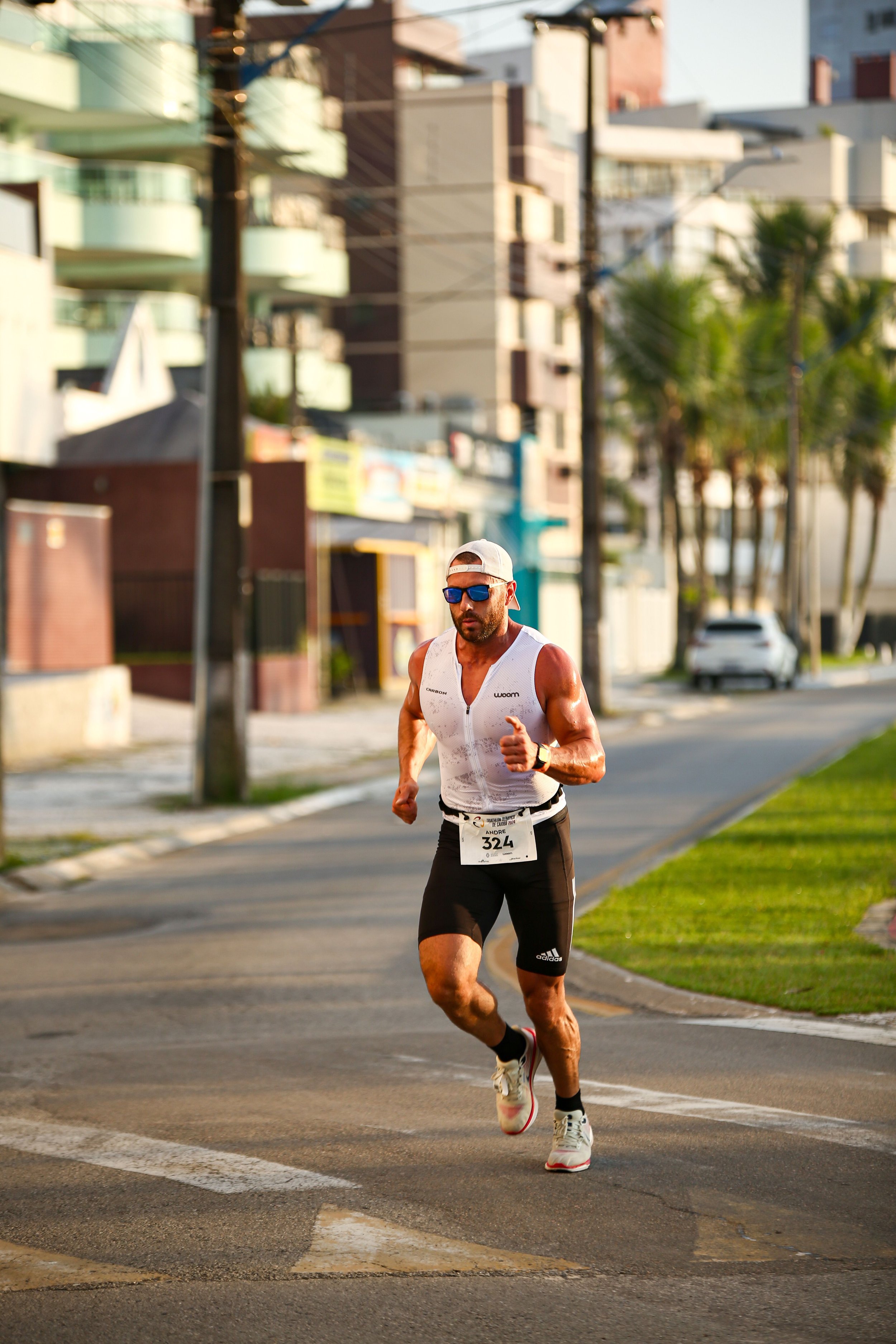
A runner competing internationally.
Increase Your Running Load Gradually
One of the biggest mistakes runners make is increasing their weekly kilometres too quickly.
Your heart and lungs often adapt faster than your muscles, tendons and connective tissues. While you may feel fit enough to run further, your body still needs time to adapt to the increased workload.
Gradually progressing your training helps reduce the risk of common overuse injuries and keeps you training consistently.
Strength Training is Essential for Runners
Running alone isn't enough.
Strength training improves running efficiency, builds resilience and reduces injury risk.
Aim to include two strength sessions each week focusing on:
Single-leg squats
Romanian deadlifts
Split squats
Calf raises
Glute strengthening
Core stability
Hip stability exercises
Strong runners generally become more durable runners.
Don't Ignore Small Niggles
Many runners hope pain will simply disappear.
Unfortunately, it often does the opposite.
If pain is changing your running technique, worsening during a run or lingering for several days, it's worth getting assessed before it becomes something more serious.
Early treatment usually means less time away from training.
Recovery is Part of Training
Recovery isn't being lazy.
It's when your body adapts and becomes stronger.
Prioritise:
Sleep
Hydration
Quality nutrition
Easy recovery runs
Mobility work
Rest days
Training without adequate recovery significantly increases your risk of injury.
How Myotherapy Can Help Runners
At The Manx Myo, our approach goes beyond simply treating sore muscles.
Our myotherapy treatments in Geelong aim to identify why pain has developed so you can continue training with confidence.
Treatment may include:
Joint mobilisation
Myofascial release
Trigger point therapy
Rehabilitation exercises
Running-specific mobility advice
Many runners choose regular treatment throughout their marathon training to help manage increasing workloads before small issues become major injuries.
Dry Needling for Running Injuries
One of the most effective treatments we use is dry needling.
Dry needling involves inserting fine sterile needles into tight or overactive muscles to reduce pain, improve movement and restore normal muscle function.
For runners, dry needling can be particularly effective for:
Tight calves
Hamstring injuries
Glute pain
Hip tightness
Quadriceps tightness
Lower back pain
Plantar fascia-related tension
Combined with myotherapy, strength exercises and load management, dry needling can help runners recover faster and continue training with less discomfort.
When Should You Book a Myotherapy Appointment?
Many runners wait until they're injured.
The best time is before that happens.
If you're training for the Geelong Running Festival, consider booking:
An assessment early in your training block
Maintenance treatment every 3–6 weeks
A recovery session after your longest training runs
A lighter treatment approximately one week before race day
Recovery treatment after the event
Preventative care often means fewer interruptions to your training.
Supporting Runners Across Geelong and the Bellarine
Whether you're training around the Barwon River, tackling the hills around Highton, running the waterfront, or exploring the trails of the Bellarine Peninsula, your body deserves the same attention as your training plan.
At The Manx Myo, we proudly provide myotherapy, dry needling, sports massage and running injury treatment in Geelong for runners from Belmont, Newtown, Highton, Grovedale, Waurn Ponds, Armstrong Creek, Lara, Leopold, Ocean Grove, Barwon Heads, Drysdale, Clifton Springs, Portarlington and across the Bellarine.
If you're experiencing a running injury—or you'd simply like to stay ahead of one—we're here to help you train consistently and perform at your best.
Book your appointment with The Manx Myo today and give yourself the best chance of arriving at the Geelong Running Festival healthy, confident and ready to enjoy every kilometre. Book here Read our blog on my personal running journey here